
Introduction
UV ink is one of the most widely used security features in modern identity documents. Passports, ID cards, residence permits and banknotes often contain UV-reactive elements that are invisible under normal lighting conditions. Correctly checking UV ink is therefore a core task within professional document authentication. This article explains how UV ink is used, how it should be inspected and which mistakes to avoid during UV verification.
What is UV ink and why it is used
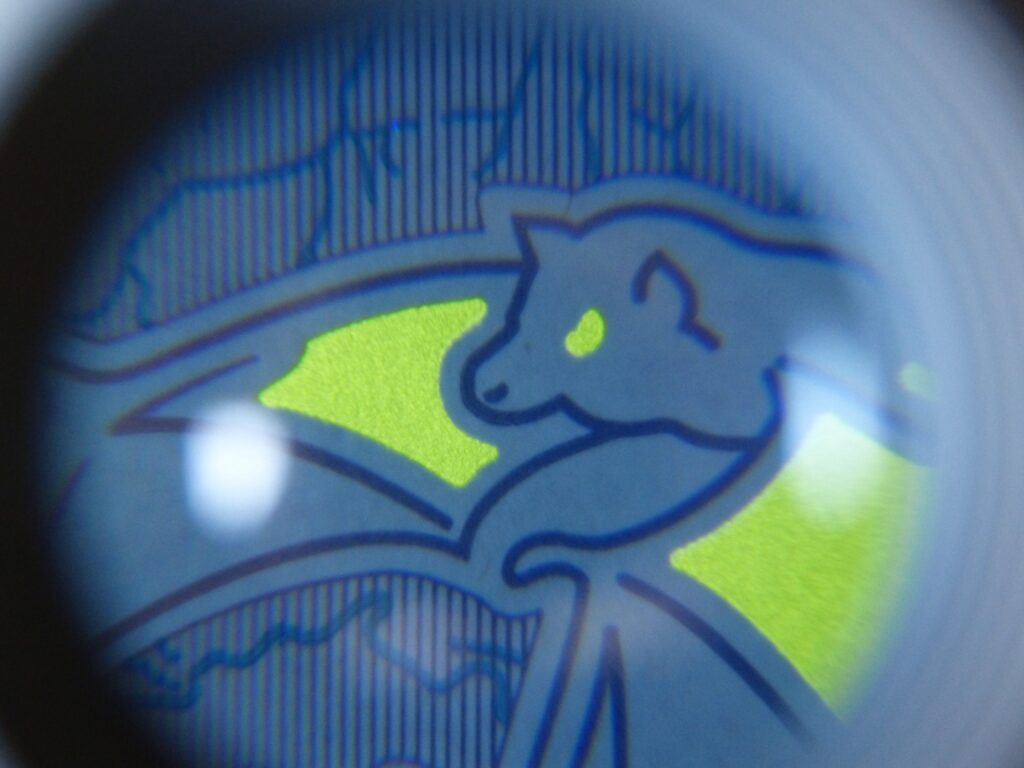
UV ink is a special type of ink that reacts to ultraviolet light. Under visible light, these inks are either invisible or appear neutral. When exposed to UV light, they fluoresce in specific colours and patterns.
UV ink is used because it:
- Cannot be reliably detected without UV light
- Is difficult to reproduce accurately
- Allows document-specific security patterns
These properties make UV ink a key element in preventing forgery.

Where UV ink appears in identity documents
UV ink can be applied in different ways depending on the document type and issuing authority. Inspectors must know where to look and what to expect.
Common applications include:
- Background patterns on data pages
- National symbols or emblems
- Serial numbers or control marks
- Text or symbols embedded in photographs
These elements form part of broader passport security features.
Tools required to check UV ink correctly
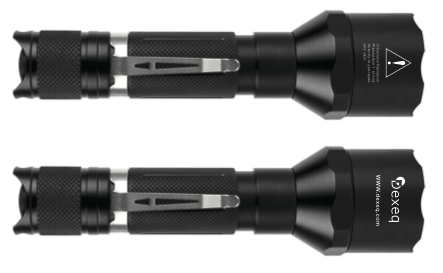
Accurate UV ink inspection requires professional equipment. Not all UV light sources are suitable for document authentication.
Professional UV flashlights:
- Emit the correct wavelength
- Provide even illumination
- Minimise interference from visible light
Using inadequate tools is a frequent issue described in common mistakes in document checks.
Step-by-step UV ink inspection process
Checking UV ink should follow a structured process to ensure consistent results.
A typical UV inspection includes:
- Inspecting the document under normal light first
- Applying UV light in a controlled, darkened environment
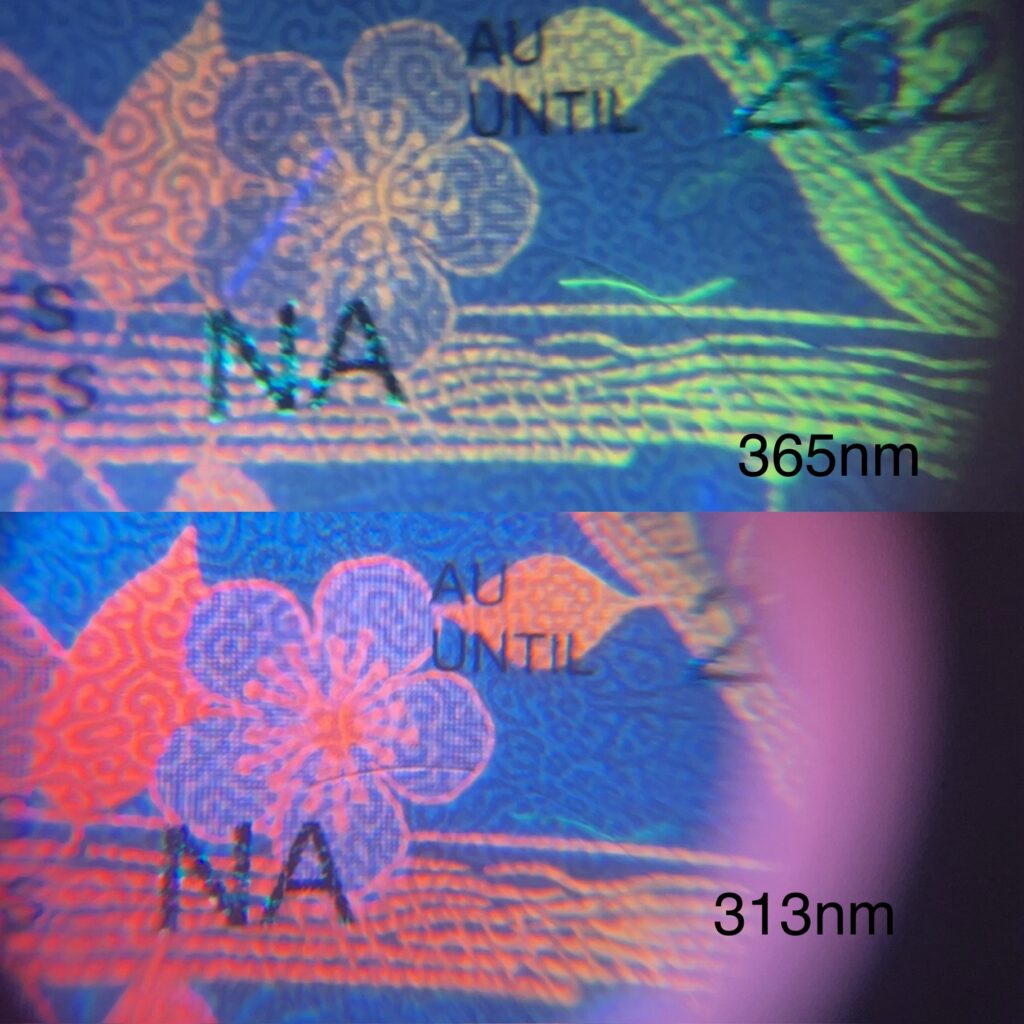
- Observing colour, intensity and pattern of fluorescence
- Comparing results with reference documents
This process should always be documented when used in formal inspections.
What abnormal UV ink behaviour indicates
UV ink responses should match official specifications. Deviations often indicate forgery or manipulation.
Abnormal findings may include:
- Missing UV elements
- Incorrect colours or brightness
- Irregular or incomplete patterns
- UV fluorescence in areas that should remain dark
Such findings are often associated with forged identity documents.
UV ink and chemical alterations
Chemical manipulation frequently affects UV ink behaviour. Solvents and bleaching agents can disrupt fluorescence patterns even if visible text appears unchanged.
UV inspection can reveal:
- Patchy or uneven fluorescence
- Residual chemical traces
- Damage to underlying paper fibres
This relationship is explored further in detection of chemical alterations in documents.
Combining UV ink inspection with other methods
Although UV ink inspection is powerful, it should never be used in isolation. UV findings must be confirmed using additional inspection techniques.
UV inspection is commonly combined with:
- IR inspection [LINK → IR cameras for ID document authentication]
- Visual inspection for layout consistency
- Magnification of fine print elements
This layered approach is fundamental to professional identity document authentication.
Training and interpretation of UV ink results
Correct interpretation of UV ink requires training and experience. Inspectors must understand that genuine documents can show controlled variation.
Training should cover:
- Expected UV patterns per document type
- Differences between genuine variation and fraud
- Common false assumptions during UV inspection
Guidance on building this expertise is available in training in document authentication: where to start.
Conclusion
Checking UV ink is a critical step in professional document authentication. UV inspection reveals security features that cannot be assessed visually and often exposes forgery or chemical manipulation. When performed with the correct tools, structured procedures and proper training, UV ink inspection significantly strengthens identity document verification.
Dexeq advises government, financial and security organisations on professional UV flashlights, IR cameras and optical inspection tools for reliable document authentication. Contact Dexeq for expert guidance or a solution tailored to your operational requirements.