

Introduction
Identity document authentication is a foundational element of modern security, compliance and fraud prevention. Government authorities, border control agencies, financial institutions and legal professionals rely on identity documents to make high-impact decisions every day. At the same time, identity and document fraud continues to increase in scale and sophistication. Therefore, a structured and professional approach to identity document authentication is essential. This article explains why identity document authentication is so important, how it is applied in practice and how organisations can strengthen their document control processes.
What is identity document authentication
Identity document authentication is the process of determining whether an identity document is genuine, unaltered and issued according to official specifications. It focuses on the document itself, rather than on the identity of the holder.
Professional identity document authentication combines:
- Visual inspection
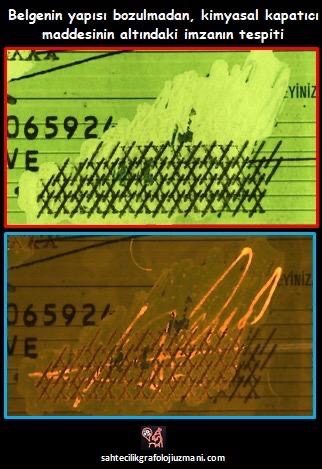
- Optical inspection using UV and IR light
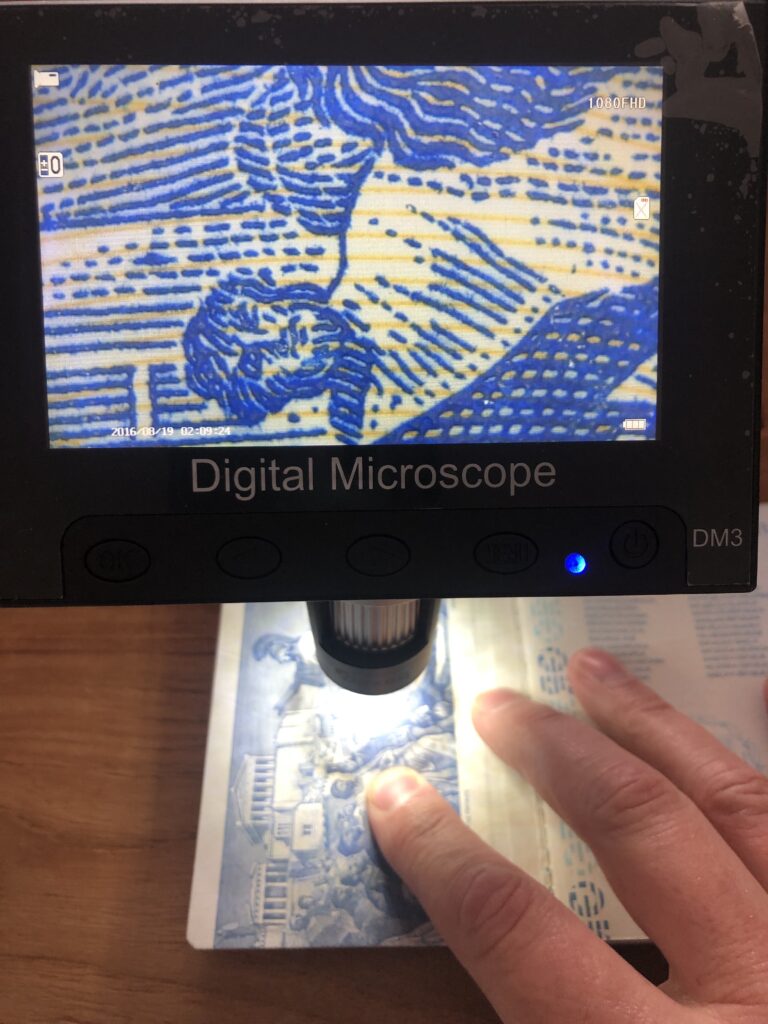
- Magnification of fine security elements
- Verification of document structure and materials
This process is essential to detect forged or manipulated documents before they are accepted.
Why identity document authentication is critical
Failure to properly authenticate identity documents creates significant risks. These risks affect not only individual organisations, but also public safety and financial systems.
Identity document authentication is critical because it helps prevent:
- Identity fraud and impersonation
- Financial crime and money laundering
- Illegal border crossings
- Legal and reputational damage
These risks are especially relevant in cases involving forged identity documents.
Increasing sophistication of document fraud
Document fraud is no longer limited to low-quality counterfeits. Today, criminals use advanced printing techniques, original materials and hybrid methods that combine genuine and false elements.
Common forms of fraud include:
- High-quality forged documents
- Altered genuine documents
- Misuse of legitimate source documents
These developments are explored further in trends in identity and document fraud.
Core inspection methods used in identity document authentication
Effective identity document authentication relies on a combination of inspection methods. No single technique is sufficient on its own.
Key methods include:
- Visual inspection for layout and print consistency
- UV inspection
- IR inspection
- Optical magnification for fine security elements
Together, these methods create a layered defence against fraud.
Security features and their role in authentication
Identity documents contain multiple security features designed to prevent copying and manipulation. Authentication focuses on verifying whether these features are present, correct and consistent.
Examples include:
Each feature requires a specific inspection technique and proper interpretation.
Common weaknesses in document authentication processes
Despite the availability of professional tools, document authentication is often weakened by procedural issues.
Typical weaknesses include:
- Overreliance on visual inspection
- Inconsistent inspection procedures
- Lack of training
- Use of non-professional equipment
These issues are addressed in common mistakes in document checks.
The role of training and standardisation
Reliable identity document authentication depends heavily on the competence of the inspector. Equipment alone is not sufficient without knowledge and experience.
Effective programmes include:
- Structured training in document authentication
- Clear inspection workflows
- Regular updates on new document designs
Training ensures consistent and defensible authentication decisions.
Identity document authentication across sectors
Different sectors apply identity document authentication in different ways, but the underlying principles remain the same.
Examples include:
- Border control and immigration authorities
- Financial institutions and compliance teams
- Legal and notarial services
- Law enforcement and security organisations
Sector-specific challenges are further discussed in document fraud in the financial sector and how border control evaluates documents.
The future of identity document authentication
As document designs evolve, identity document authentication must adapt accordingly. New materials, printing techniques and personalisation methods require updated inspection capabilities.
Organisations increasingly invest in:
- Advanced optical inspection tools
- Continuous training
- Standardised authentication procedures
These measures ensure long-term reliability in document authentication.
Conclusion
Identity document authentication is an essential safeguard against fraud, security threats and compliance failures. By combining visual inspection, UV and IR analysis, magnification and training, organisations can reliably assess document authenticity. A structured approach to identity document authentication protects both operational processes and public trust.
Dexeq advises government, financial and security organisations on professional UV flashlights, IR cameras and optical inspection tools for reliable identity document authentication. Contact Dexeq for expert guidance or a solution tailored to your operational requirements.